|
|
Facial
What is Facial?
A facial is a multi-step skincare treatment designed to deeply cleanse, exfoliate, and nourish the skin. It is a popular and effective way to rejuvenate the skin, address specific skin concerns, and promote a healthy, glowing complexion. Facials can be performed by licensed aestheticians in a salon or spa, or done at home using specialized facial kits.
The standard facial process
A standard facial typically includes the following steps:
- Consultation: An aesthetician will evaluate your skin type, discuss any concerns, and determine the best course of treatment.
- Cleansing: The face is thoroughly cleansed to remove dirt, makeup, and oil from the surface of the skin.
- Exfoliation: A scrub or exfoliant is used to remove dead skin cells and unclog pores, revealing a smoother, brighter complexion.
- Steaming: Warm steam is often used to open up pores and prepare the skin for extraction.
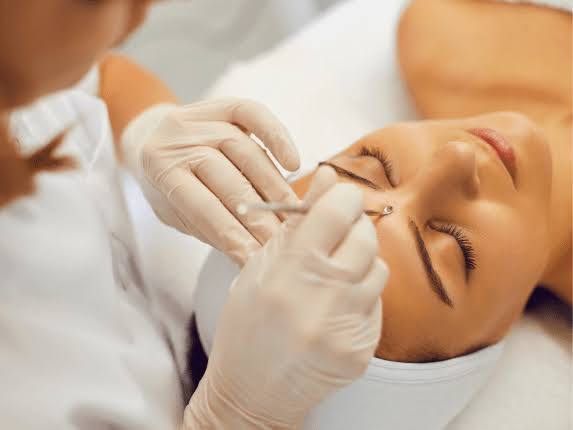
- Extraction: The aesthetician carefully removes blackheads or whiteheads to clear clogged pores.
- Massage: A facial massage is performed to improve blood circulation, stimulate lymphatic drainage, and promote relaxation.
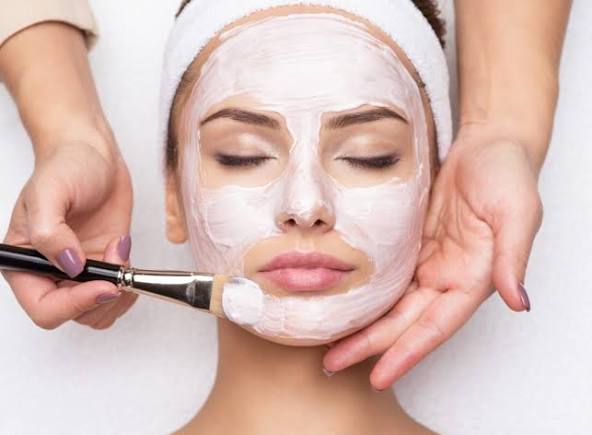
- Mask: A face mask is applied to address specific skin concerns, such as hydration, oil control, or brightening.
- Toning: A toner is used to restore the skin's pH balance and tighten pores.
- Moisturizing and Sun Protection: The treatment is completed with the application of moisturizer and sunscreen to hydrate and protect the skin.
Popular types of facials
Different facials are tailored to specific skin types and concerns:
- Classic/Basic Facial: A foundational treatment that includes all the essential steps—cleansing, exfoliation, massage, and masking—suitable for all skin types.
- Anti-Aging Facial: Aims to reduce the appearance of fine lines and wrinkles by using collagen-boosting ingredients like retinol and peptides.
- Acne/Deep Cleansing Facial: Focuses on deep cleansing and extractions to target excess oil and clogged pores, and may use anti-bacterial ingredients to calm inflammation.
- Hydrating Facial: Designed for dry or dehydrated skin, this treatment uses intensely moisturizing ingredients like hyaluronic acid to restore the skin's moisture barrier.
- Brightening Facial: Utilizes ingredients like Vitamin C and fruit enzymes to combat dullness, hyperpigmentation, and uneven skin tone.
- HydraFacial: A medical-grade resurfacing treatment that uses a specialized device to cleanse, exfoliate, extract, and hydrate the skin with nourishing serums.
- Medi-Facial: Customized, medical-grade facials performed by dermatologists that use advanced techniques and potent ingredients to target specific conditions.
Benefits of regular facials
Incorporating regular facials into your skincare routine offers numerous benefits:
- Deep Cleansing: Removes impurities and excess oil that regular at-home cleansing might miss.
- Improved Skin Texture: Regular exfoliation reveals smoother and more radiant skin.
- Hydration Boost: Addresses dryness and dehydration, leaving the skin soft and supple.
- Acne Management: Helps unclog pores and reduce breakouts for clearer skin.
- Anti-Aging: Boosts collagen production, which helps reduce the appearance of fine lines and wrinkles.
- Relaxation: The massage and pampering aspect of a facial helps relieve stress and promotes mental relaxation.
How often should you get a facial?
The ideal frequency for facials depends on your skin type and concerns.
- General Maintenance: A facial every 4 to 6 weeks is ideal for most people.
- Acne-Prone Skin: More frequent facials, perhaps every 2 to 4 weeks, may be necessary to manage breakouts.
- Anti-Aging: For specific anti-aging goals, a treatment every 3 to 4 weeks can be beneficial.
- Special Occasions: For a quick boost, a facial can be done before a wedding or other event.
|